

Allow me to reach out to you with an engaging discussion that revolves around the concepts of identity design and branding. The argument is straightforward: identity design is simply one fragment of the larger branding process. According to the discussion, it is vital to exclude any exaggeration of skillsets and to instead clearly define the particular services one offers. The discourse places importance on recognizing the distinction between the creation of brand identities and the design of logos.
Intriguing analysis brings us critical insights into the value of a brand identity – it’s not valuable by itself, but gains significance from the connected institution and its services. This discussion puts a spotlight on how brand identities are intricately tied to both the innate and outward confidence of consumers, and how impactful recognizable logos can be. It dares to challenge the common practice of mark creation, arguing that it’s not exactly branding. Lastly, it underscores the idea that the true worth of a logo springs from the value of the company it represents.
Get it here – #1 Recommendation Secrets of Success
Understanding Brand Identity
When you think about a brand, what comes to mind? The logo? The colors? It’s much more than that. A brand identity is the unique combination of design, color, type, and personality that sets your company apart from others.
The role of identity design in branding
Identity design plays a critical role in branding. It is the visual—and in some cases, auditory or tactile—aspect that helps customers recognize and remember your brand. From logo design to product packaging, the aspects of identity design are endless.
The limiting scope of branding identities
However, brand identity has its limitations. It can only convey so much about a company’s purposes and values. Other important elements, such as customer relations and quality of services or products, also play a significant role in the overall perception of a brand.
The connection between brand identities and consumer confidence
A strong and consistent brand identity can inspire confidence in consumers. When a company consistently upholds its identity in every interaction and touchpoint, customers may feel more assured about their purchase decisions. Hence, an established brand identity often goes hand in hand with consumer confidence.
The Misconception of Expertise Overstatement
Not everyone who claims to create brand identities really does. It’s important for both consumers and businesses to understand what building a brand identity truly involves.
Misleading claims about creating brand identities
Several businesses often claim to create brand identities when, in fact, they just design logos or other graphics. While these elements are part of a brand identity, they don’t constitute the entire identity.
The need for clarity about services offered
To avoid misunderstanding or disappointment, service providers should be clear about what their offerings encompass. Consumers should also seek to understand these services in order to make informed decisions.
The significance of truthfulness in professional marketing
Truthfulness is paramount in professional marketing. Making inflated claims about one’s expertise or services not only harms a business’s reputation but also erodes trust amongst consumers and other stakeholders.

This image is property of i.ytimg.com.
Shop now – #1 Recommendation Secrets of Success
Logo Design vs. Brand Identity
Logo design and brand identity are not one and the same. While a logo is an important component of a brand identity, it does not carry the entire weight of conveying what your brand is about.
The differing implications of designing logos and creating brand identities
Not to downplay the significance of logo design, but creating a brand identity goes beyond designing a logo. It encompasses every aspect of a brand that differentiates it and makes it memorable, from color schemes to typography, to the brand voice.
Acknowledgment of personal aesthetic preference in branding
Branding, like many aspects of design, is subjective. Personal aesthetics play a role in how a brand is perceived and relate to. Some styles resonate more with certain audiences than others. Understanding this can help businesses create more effective branding.
The mistaken equivalence of marks to brands
Simply creating a logo or a trademark does not equate to creating a brand. A comprehensive and holistic approach is required to build a brand, encompassing market research, understanding customer insights, and creating a unique selling proposition.
Brand Strategy and Positioning
Brand strategy and positioning are key components of creating an effective brand identity.
The role of brand strategy in creating brand identities
A brand strategy defines how, where, when, to whom, and what you plan to communicate your brand messages. It serves as the blueprint for creating your brand identity and guides all your branding efforts.
The importance of positioning in branding
Positioning in branding refers to the distinct place a brand occupies in the minds of customers. Effective brand positioning sets a brand apart from its competitors, thereby making it easier for customers to choose it over others.
How brand positioning affects the creation of brand identities
Your brand positioning informs the creation of your brand identity. All aspects of your brand identity – logo, color, typography, packaging, etc. – should be designed to reflect the position you want to occupy in the minds of your customers.
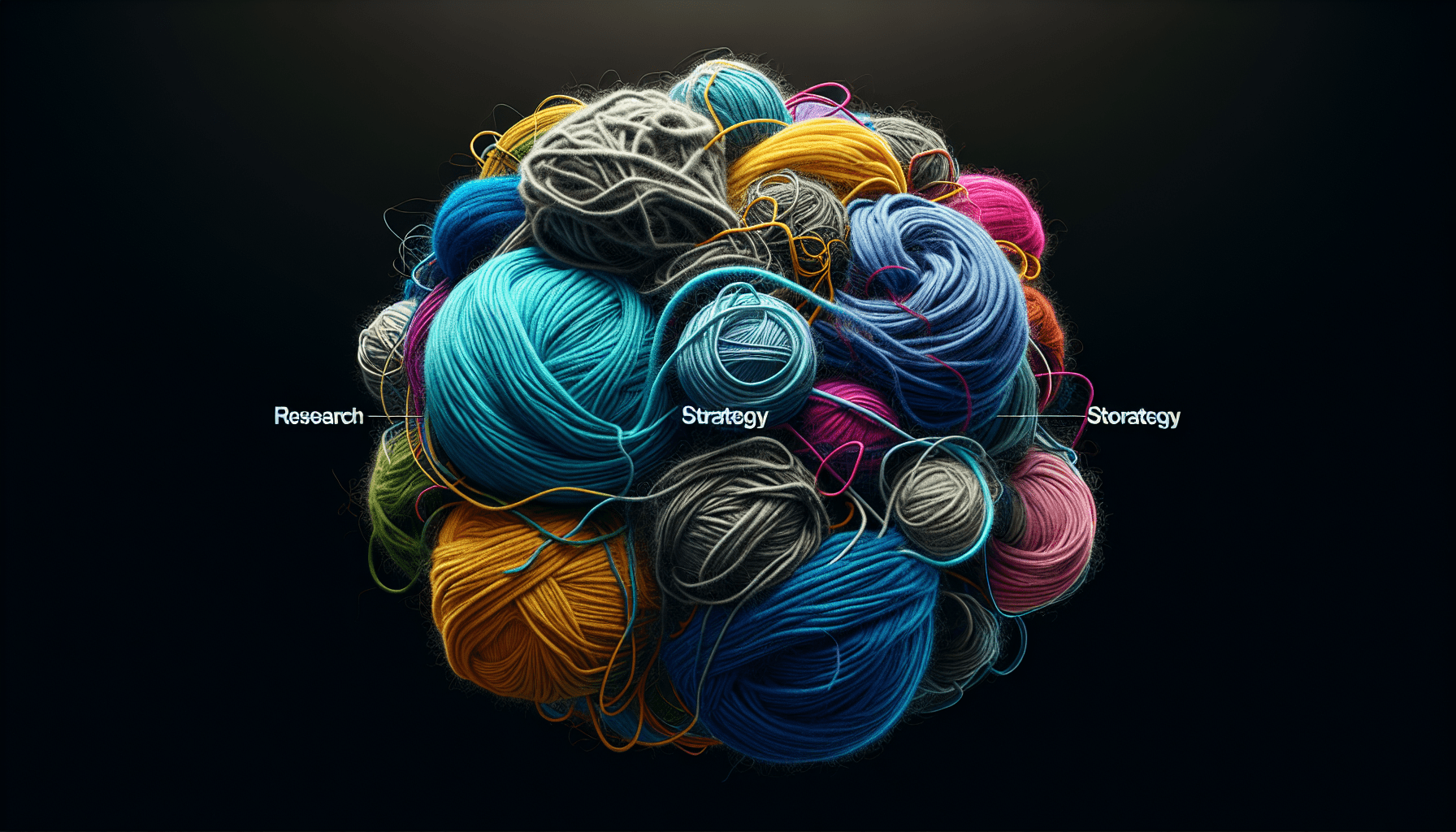
Product Development and User Experience Design
Product development and user experience design are integral parts of building brands. They often precede the creation of a brand identity and have significant influence on it.
Contributions of product development to brand identities
The products you offer and the process of developing them contribute largely to your brand identity. Your identity must be congruent with your product offerings to create a coherent image in the minds of consumers.
The relevance of user experience design in building brands
User experience design plays a significant role in building brands. A well-designed user interface can make it easier for consumers to engage with your brand, while a poor one can break the connection.
The collective role of product and user experience design in branding
Both product development and user experience design come together to establish a well-rounded brand. They inform the direction of your brand identity and guide how customers perceive and interact with your brand.
Customer Service Design and Branding
You cannot talk about creating a successful brand without touching on customer service.
The impact of customer service on brand identity
How your business interacts with customers directly impacts your brand identity. Positive customer interactions can strengthen your brand identity whereas negative ones can tarnish it.
The reflection of customer service design on the perceived brand
The design of your customer service processes says a lot about your brand. This includes how you respond to complaints, handle inquiries, and generally engage with your customers. Excellence in customer service design can enhance brand perception.
Understanding the customer-focus of successful brands
At the heart of successful branding is a strong focus on the customer. That means understanding their needs, expectations, and experiences with your brand, and designing all aspects — including customer service processes — with these insights in mind.

The Aesthetics of Branding
Design and aesthetics play a significant role in branding. They’re the visual cues that attract and retain consumers’ attention.
The impact of aesthetic choices in branding
The aesthetic choices you make as a business—be it color, font, packaging, website design—affect how consumers perceive your brand. They evoke emotions and create associations that may influence a person’s decision to choose your brand over others.
Balancing aesthetic with practicality in brand identity design
While focusing on aesthetics is important, it should not override practical aspects. A balance between aesthetics and practicality ensures a brand identity is not only visually appealing but useful and accessible to the consumer.
The role of aesthetics in branding and its relationship to customer satisfaction
When done right, aesthetics can greatly improve the customer experience with a brand, leading to higher satisfaction. And satisfied customers are more likely to be loyal and refer others, improving a brand’s reputation and bottom line.
The Customer Experience and Brand Impact
Customer experience is at the heart of creating a strong, impactful brand.
The influence of customer experience on brand perception
The way customers perceive your brand is significantly influenced by their experiences with your products or services. Positive experiences will form a positive perception, while negative ones will do the opposite.
The role of a positive customer experience in building brand loyalty
A positive customer experience not only makes a good impression, but it also helps build brand loyalty. When customers have consistently good experiences with a brand, they are more likely to stick with it.
The products or services vs the brand image
While your products and services are important, what often sets a brand apart is the image it portrays. A strong and consistent brand image can fill in the gaps when the quality of a product or service isn’t necessarily the best.
Re-evaluating Brand Creation Practices
It’s clear that building a successful brand goes beyond creating a logo or a catchy tagline. The whole organization and its activities must align with what the brand stands for.
Critiquing the practice of creating marks as branding
Creating a mark or logo and calling it “branding” oversimplifies the extensive and holistic process involved. It’s a criticism that invites us to understand branding better.
Aligning branding practice with business values and offerings
An effective brand should be a reflection of the business’s core values, culture, and offerings. It’s more than aesthetics – your branding should tell your brand story to your customers and stir emotions.
Appropriate use of logos in brand identity creation
A logo, while important, is just one element of a brand identity. It should be used appropriately, in conjunction with other elements, to communicate what your brand is about.
Conclusion
Creating a solid brand identity goes far beyond designing a logo. It requires a deep understanding of your business, your customers, and what you stand for.
The need to differentiate between creating logos and brand identities
While logos play an important role, it’s critical to differentiate logo design from creating brand identities. The latter involves encompassing all aspects of your brand to create a holistic identity.
Encouraging transparency and honesty in the design and branding field
Clarity about what services are offered and what expertise is provided should be a rule rather than an exception. It’s crucial for branding professionals to be honest and transparent about their offerings.
Shifting focus from visual elements to holistic factors in branding
The focus in branding should shift from just visual elements to more holistic factors like customer experience, product development, and service design. After all, a brand is much more than what you see—it’s what you feel, believe, and experience.
Leave a Reply